Dallas Brodie Takes the Villages Plan Fight Straight to Vancouver City Hall
July 15, 2026 · iVoteOneBC research desk
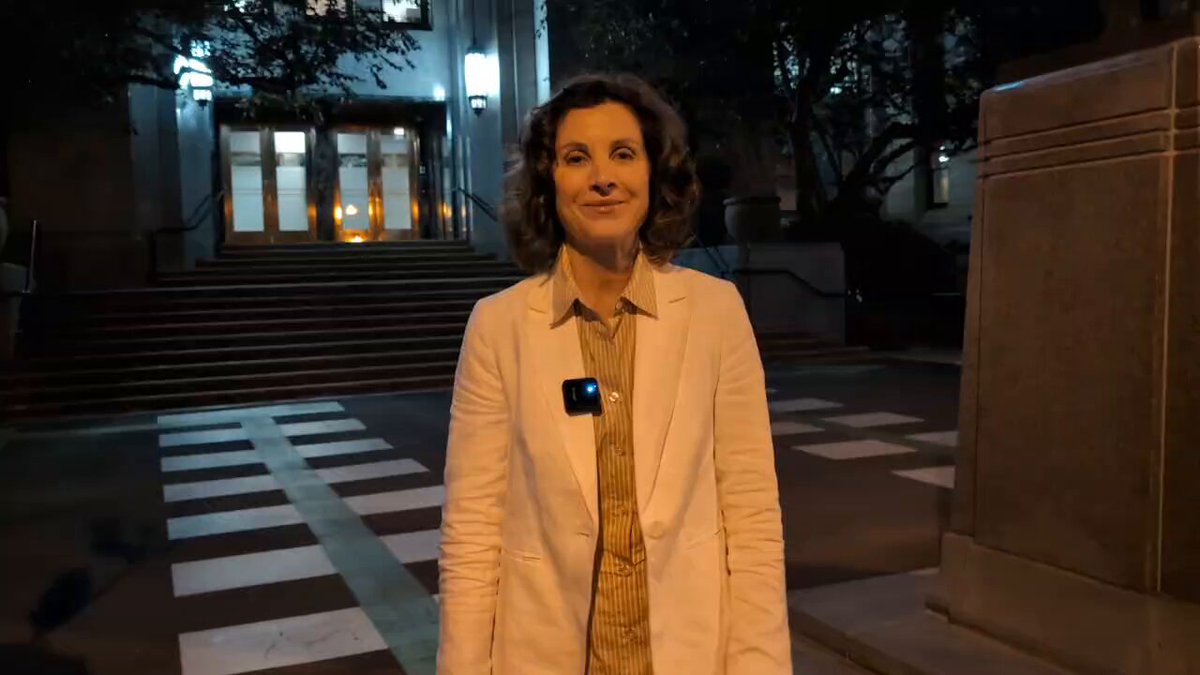
Dallas Brodie’s newest video post puts a local planning fight into plain language: when city hall rewrites neighbourhood rules, voters deserve to hear the debate directly, understand the tradeoffs, and know exactly what council is being asked to approve.
What is verified
On July 15, 2026 UTC, Dallas Brodie posted a video from Vancouver City Hall saying council was debating the “Villages plan” and that she was there to speak against it. Her “15-minute cities” language is Brodie’s political framing; the official City of Vancouver item is the Villages Planning Program – Villages Plan, City-initiated Rezoning and Vancouver Official Development Plan Amendments.
The official hearing record shows Vancouver council considered the Villages item at a July 14, 2026 public hearing. The City’s agenda says council heard the staff presentation, asked questions, and began hearing from speakers. Shape Your City describes the Villages Plan as an 18-month planning process for long-term growth and change in 17 areas, including housing, job space, transportation, and public-space improvements.
That makes the honest update narrow and strong: Brodie showed up at a live civic hearing and put her opposition on the record. We should not claim council has made a final decision unless a later official record confirms it.
Why supporters should care
This is exactly the kind of accountability politics that travels well beyond one city hearing. Zoning, density, neighbourhood retail, public hearings, infrastructure, and local control all shape whether families can afford to live in B.C. — and whether change happens with consent or by administrative momentum.
Brodie’s value here is not just being against a plan. It is showing up where the decision is being made and forcing a public question: are residents being given enough clarity, enough time, and enough real say before neighbourhood rules change?
The fair test for the Villages Plan
- Public process: residents should know what is being approved now, what comes later, and whether future public hearings are preserved.
- Infrastructure: any growth plan should disclose road, transit, school, park, sewer, safety, and community-service impacts.
- Local businesses: retail expansion should strengthen real neighbourhood shops rather than create paper targets detached from demand.
- Housing reality: new density should be judged by delivered homes, family-sized units, affordability, and livability — not slogans.
- Property rights: homeowners and renters should both know how rezoning affects value, tenure, taxes, redevelopment pressure, and neighbourhood character.
That is the premier-material frame: practical questions, public receipts, and enough respect for residents to let them hear the real tradeoffs before government locks in a direction.
How to track it honestly
Do not overclaim. The verified item today is Dallas Brodie’s public intervention and the City’s active hearing record. The next things to watch are the official council minutes, any reconvened hearing dates, the final vote, and whether the City publishes amendments or implementation changes after hearing from speakers.
If the plan passes, the accountability question becomes implementation: what changes first, what protections remain, and whether residents can measure the promised benefits. If it stalls or changes, the accountability question becomes whether public pressure produced better process.